
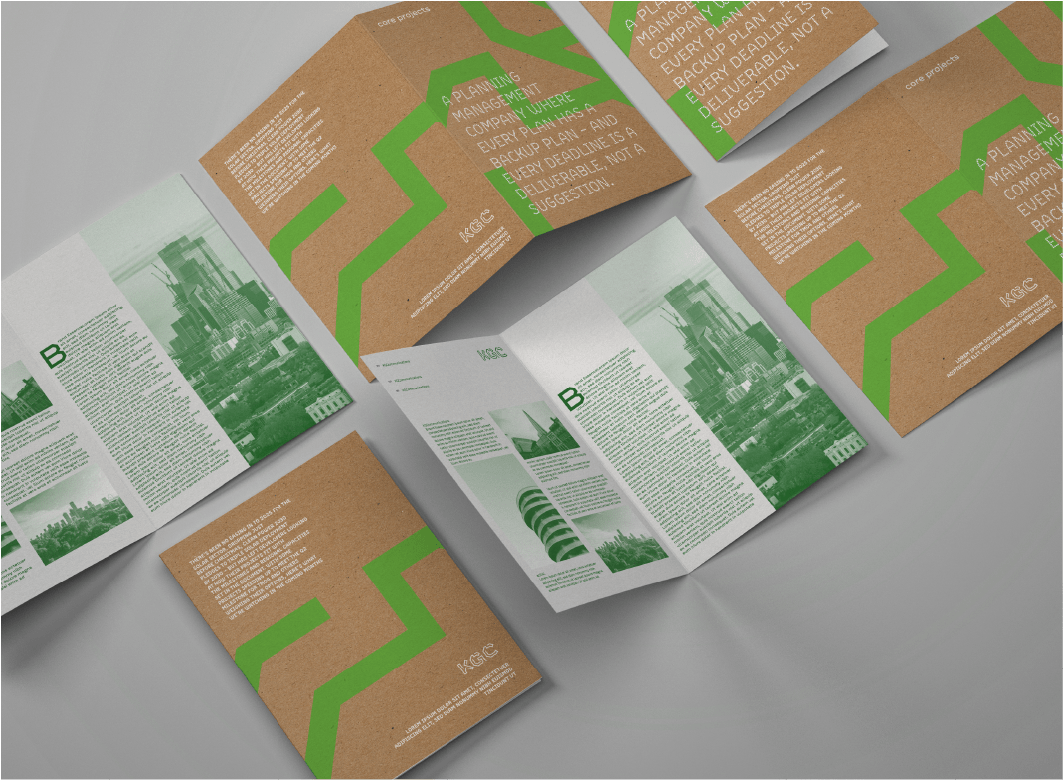
Creating a Strong First Impression
The quality of printed marketing materials plays a significant role in how recipients perceive a business. When a mailer or marketing piece feels well produced, it immediately creates a sense of professionalism and trust. On the other hand, poor print quality or thin paper can make even the best message appear less credible.
High quality print helps reinforce brand standards and shows that attention has been paid to the details. From the feel of the paper to the clarity of the colours, every element contributes to the overall impression a recipient forms when they pick up your marketing material.
If you are planning a direct mail campaign and want a simpler, more reliable way to manage targeting, printing, and delivery, iPrintPost from iPrintManage provides a fully integrated solution.
Register today and start building your campaign here, or read on to learn more.
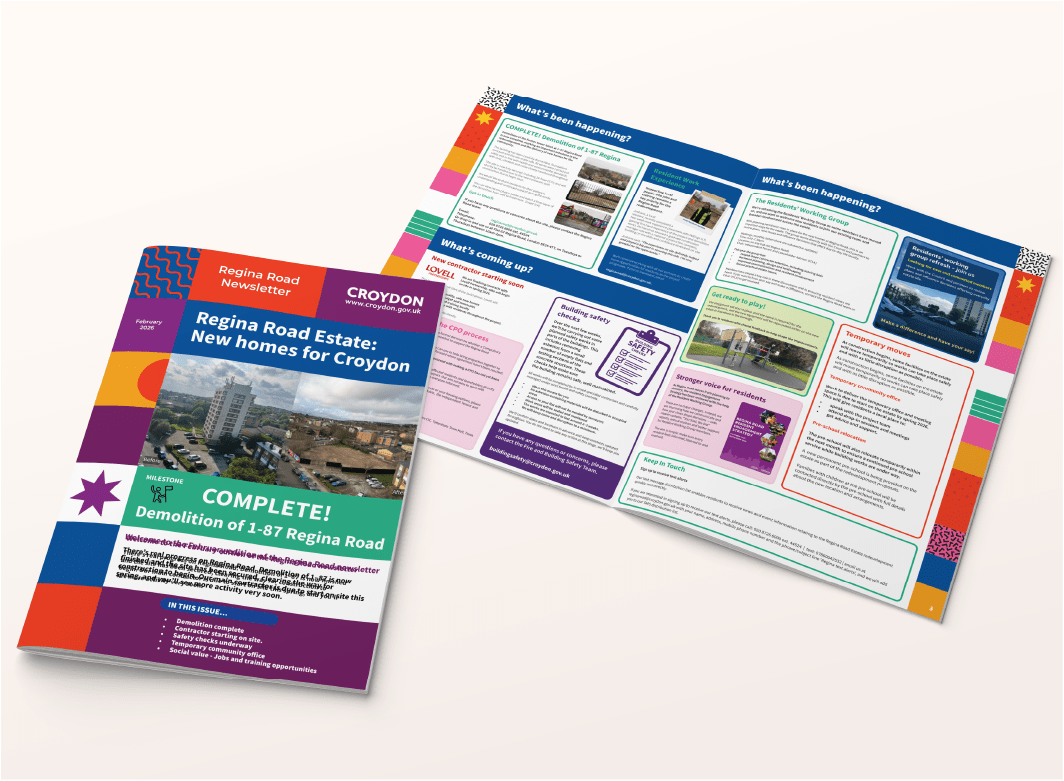
Key Elements of Professional Print
Several factors work together to create high quality printed materials. Choosing the right paper stock is an important starting point, as the weight and finish influence both the appearance and the durability of the piece.
Other elements also play a role in the final result, including:
-
Accurate colour reproduction so brand colours appear consistent
-
Clear layouts that guide the reader through the message
-
High resolution images that print sharply and professionally
-
Finishing techniques that enhance the look and feel of the material
When these elements are combined effectively, printed communications become more visually appealing and easier for recipients to engage with.
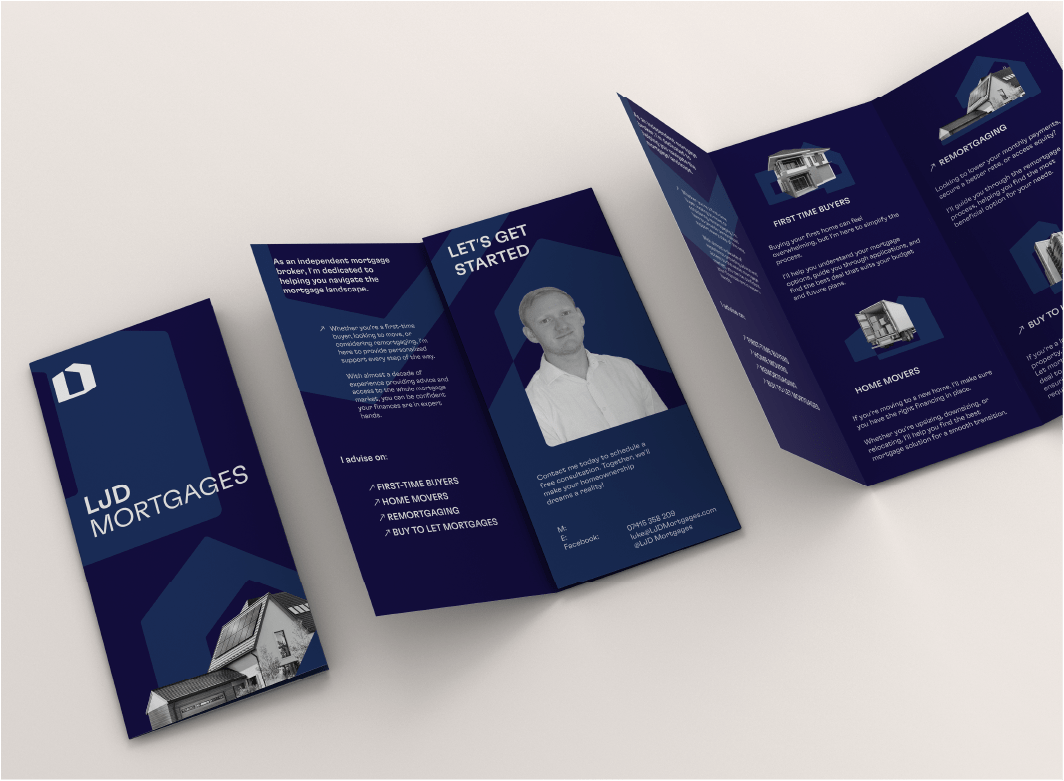
Supporting Campaigns with Reliable Print Production
For businesses running marketing or direct mail campaigns, consistency is essential. Every printed piece should represent the brand in the same professional way.
iPrintPost from iPrintManage helps organisations produce reliable, high quality printed materials that align with their brand standards. By combining professional print production with efficient mailing services, businesses can ensure their communications arrive looking exactly as intended.
Increasing Audience Engagement
When printed materials look polished and well designed, recipients are naturally more inclined to spend time reading them. A well produced postcard, flyer, or personalised letter can stand out among everyday post and encourage people to engage with the message.
High quality print production therefore plays an important role in improving response rates and supporting the overall success of direct mail campaigns.
Below are answers to some common questions about paper stocks, finishes, and printing applications to help you choose the best options for your marketing materials.
Start Your Campaign with iPrintPost
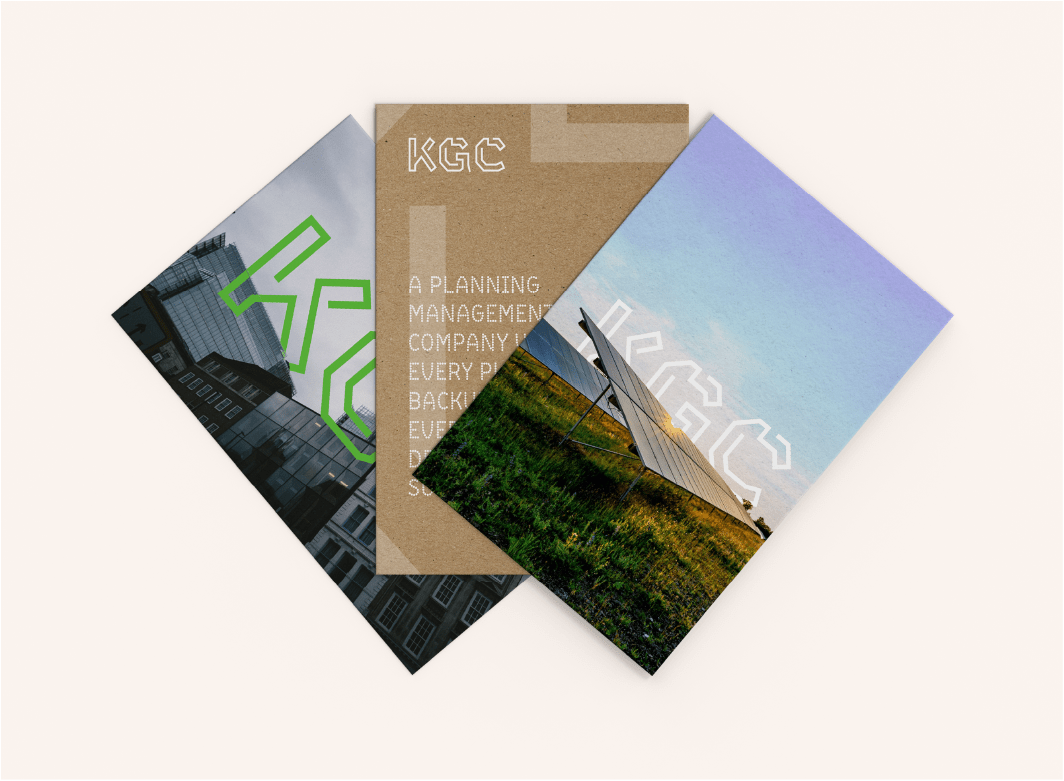
If you are planning a direct mail campaign and want a simpler, more reliable way to manage targeting, printing, and delivery, iPrintPost from iPrintManage provides a fully integrated solution.
Register today and start building your campaign here:
Have Questions?
Check out our FAQ below or reach out to sales@iprintmanage.com
What is the best paper type for direct mail marketing?
The best paper type for direct mail marketing depends on the format of the mail piece and the goal of the campaign. Personalised letters are typically printed on uncoated paper because it provides a professional appearance and is easy to read. Promotional postcards and marketing mailers often use coated stocks that enhance colour and help designs stand out.
Typical paper choices for direct mail include:
-
Uncoated paper for personalised letters
-
Silk coated paper for postcards and promotional mailers
-
Gloss coated paper for highly visual marketing pieces
-
Heavier coated stock for self mailers
Using recycled paper stocks wherever possible allows businesses to run direct mail campaigns that support sustainability goals while still delivering strong visual impact.
What GSM paper is recommended for direct mail letters?
Direct mail letters are usually printed on 90gsm, 100gsm, or 120gsm uncoated paper. These paper weights are light enough to fold and insert into envelopes while still feeling professional and durable.
Typical options include:
-
90gsm uncoated for cost effective high volume mailings
-
100gsm uncoated for standard professional letters
-
120gsm uncoated for premium personalised communications
Uncoated recycled stocks are often used for these communications so that businesses can send personalised mail while reducing the environmental impact of their campaigns.
What GSM should I use for direct mail postcards?
Direct mail postcards are commonly printed on 300gsm or 350gsm coated stock. These heavier paper weights create a sturdy and premium feel that helps the mail piece stand out when recipients sort through their post.
Common postcard stock options include:
-
300gsm silk coated for professional promotional postcards
-
350gsm silk coated for premium direct mail campaigns
-
300gsm gloss coated for highly visual marketing pieces
Recycled coated stocks are available in these GSM ranges, allowing organisations to combine strong visual presentation with more sustainable printing choices.
What paper stock works best for direct mail flyers and inserts?
Flyers and inserts used within direct mail campaigns are often printed on 150gsm or 170gsm coated stock. These paper weights provide a balance between durability and mailing efficiency. They are thick enough to feel substantial but still flexible enough to fold if required.
Common insert stocks include:
-
150gsm silk for standard promotional inserts
-
170gsm silk for slightly heavier marketing flyers
-
170gsm gloss for image heavy marketing materials
Many printers also offer recycled versions of these stocks so campaigns can maintain print quality while supporting environmentally responsible production.
What paper stock should be used for self mailers?
Self mailers that travel through the postal system without envelopes usually require a stronger paper stock. Paper weights between 200gsm and 300gsm coated stock are commonly used because they provide enough durability to withstand handling during delivery.
Typical self mailer paper options include:
-
200gsm silk for folded self mailers
-
250gsm silk for durable promotional mailers
-
300gsm coated stock for premium marketing pieces
Silk coated recycled stocks are often chosen for these types of mailers because they provide a professional finish while supporting sustainable print practices.
Does paper quality influence direct mail engagement?
Paper quality can influence how recipients interact with a mail piece. A well printed postcard on 350gsm stock or a professionally produced letter on high quality uncoated paper can make a stronger first impression than a thin or poorly produced alternative.
High quality direct mail materials can help:
-
Capture attention when recipients sort their post
-
Reinforce brand credibility and professionalism
-
Encourage recipients to spend more time reading the message
-
Increase the likelihood that the mail piece is kept or shared
Using recycled stocks allows organisations to achieve this level of quality while also demonstrating environmental responsibility.
How do I choose the right paper stock for a direct mail campaign?
Choosing the right paper stock involves considering the type of mailer being produced and the message it needs to deliver. Personalised letters usually work best on lighter uncoated paper, while promotional pieces benefit from heavier coated stocks.
A typical paper selection approach might include:
-
90gsm to 120gsm uncoated paper for personalised letters
-
150gsm to 170gsm coated stock for flyers and inserts
-
200gsm to 250gsm coated stock for folded mailers
-
300gsm to 350gsm coated stock for postcards and premium promotions
Wherever possible, selecting recycled versions of these stocks helps businesses reduce the environmental footprint of their direct mail campaigns while maintaining a professional standard of print.